Short answer
On this page
What the forces are
Your chart is your birth moment written as 8 Chinese characters. One of them stands for you: your core element, for example Yin Water, the rain. The old books call it the Day Master.
The Ten Gods (十神) describe how every other character relates to that core element. Instead of looking at elements on their own, they ask what each one does to you: feeds you, comes out of you, is shaped by you, or shapes you. That is what turns a list of elements into a reading. We call them the forces in your chart.
The five families
There are 8 forces that can lead your chart, plus 2 mirrors. Together they make five families of two. In each family, one force is the calm, steady version and the other is the stronger, less conventional one.
Your mirrors: the same element as you
Friend and Rival
When another character shares your core element, it acts like a peer standing next to you. The Friend stands for self-reliance and fair play. The Rival adds a competitive streak: wanting to win, take risks and be seen. Lots of this force makes people very independent, sometimes stubborn.
What you create: the element you feed
Creator and Rebel
This is what you make and send into the world. The Creator is easy, generous creativity: the cook who cooks for joy. The Rebel is sharp, rule-breaking expression: the inventor, the critic who says the uncomfortable thing. People strong in this force make a lot, and they need an audience.
What you shape: the element you tame
Builder and Adventurer
This is what you can steer and gather. The Builder is steady, earned value: the careful saver and planner. The Adventurer is chance and connections: the person who spots a gap and turns friends into a business. It is not only about money. It is how you handle real-world things.
What shapes you: the element that tames you
Leader and Warrior
This is pressure from outside: rules, duty and challenge. The Leader is ordered authority: fair rules, reputation, keeping your word. The Warrior is raw pressure: competition, deadlines, crisis. People strong in this force either rise under pressure or feel boxed in.
What feeds you: the element that feeds you
Scholar and Mystic
This force looks after you: learning, protection, inner strength. The Scholar is classic learning and mentors. The Mystic is self-taught, unusual knowledge and intuition. People strong in this force are natural learners. Too much of it, and they overthink or wait for permission.
For the curious: the proper names
- Friend and Rival
- 比肩 Friend (Bi Jian) and 劫財 Rob Wealth (Jie Cai)
- Creator and Rebel
- 食神 Eating God (Shi Shen) and 傷官 Hurting Officer (Shang Guan)
- Builder and Adventurer
- 正財 Direct Wealth (Zheng Cai) and 偏財 Indirect Wealth (Pian Cai)
- Leader and Warrior
- 正官 Direct Officer (Zheng Guan) and 七殺 Seven Killings (Qi Sha)
- Scholar and Mystic
- 正印 Direct Seal (Zheng Yin) and 偏印 Indirect Seal (Pian Yin)
- Direct 正 and Indirect 偏
- The classical words for the steady and the stronger member of each family. Direct has the opposite Yin or Yang to you; Indirect has the same.
All ten at a glance
The first 8 can lead a chart and choose your guardian. The last 2 (the Friend and the Rival) are your mirrors: they add colour but are not used to name a guardian.
| Force | Classical name | In short |
|---|---|---|
| Leader | Direct OfficerZheng Guan | Order, duty and a good name. Keeps promises; the shadow is rigidity. |
| Warrior | Seven KillingsQi Sha | Drive and courage under pressure. Thrives on hard things; the shadow is burnout. |
| Builder | Direct WealthZheng Cai | Steady work that adds up. Reliable and careful with what they have. |
| Adventurer | Indirect WealthPian Cai | Chances, people and deals. Generous and quick to say yes. |
| Scholar | Direct SealZheng Yin | Learning and caring advice. Teachers and mentors; the shadow is resisting new ideas. |
| Mystic | Indirect SealPian Yin | Unusual, self-taught insight. Deep and private; the shadow is overthinking. |
| Creator | Eating GodShi Shen | Easy creativity and enjoyment. Storytellers and cooks; the shadow is putting things off. |
| Rebel | Hurting OfficerShang Guan | Sharp mind, questions the rules. Honest to a fault; can push people away. |
| Friend | FriendBi Jian | Independence and fair play among equals. Happy to go solo; can be stubborn. |
| Rival | Rob WealthJie Cai | Bold, social, likes high stakes. Charismatic; may over-spend or over-trust. |
Forces and the 80 guardians
A force names the kind of pull. The core element carrying it changes how it feels. A Creator force on a Fire person is a different creator from the same force on a Water person.
Elemental Fate pairs your core element with the strongest force in your chart to give one of 80 guardian spirits, each with its own name, strengths and blind spots. Four examples:
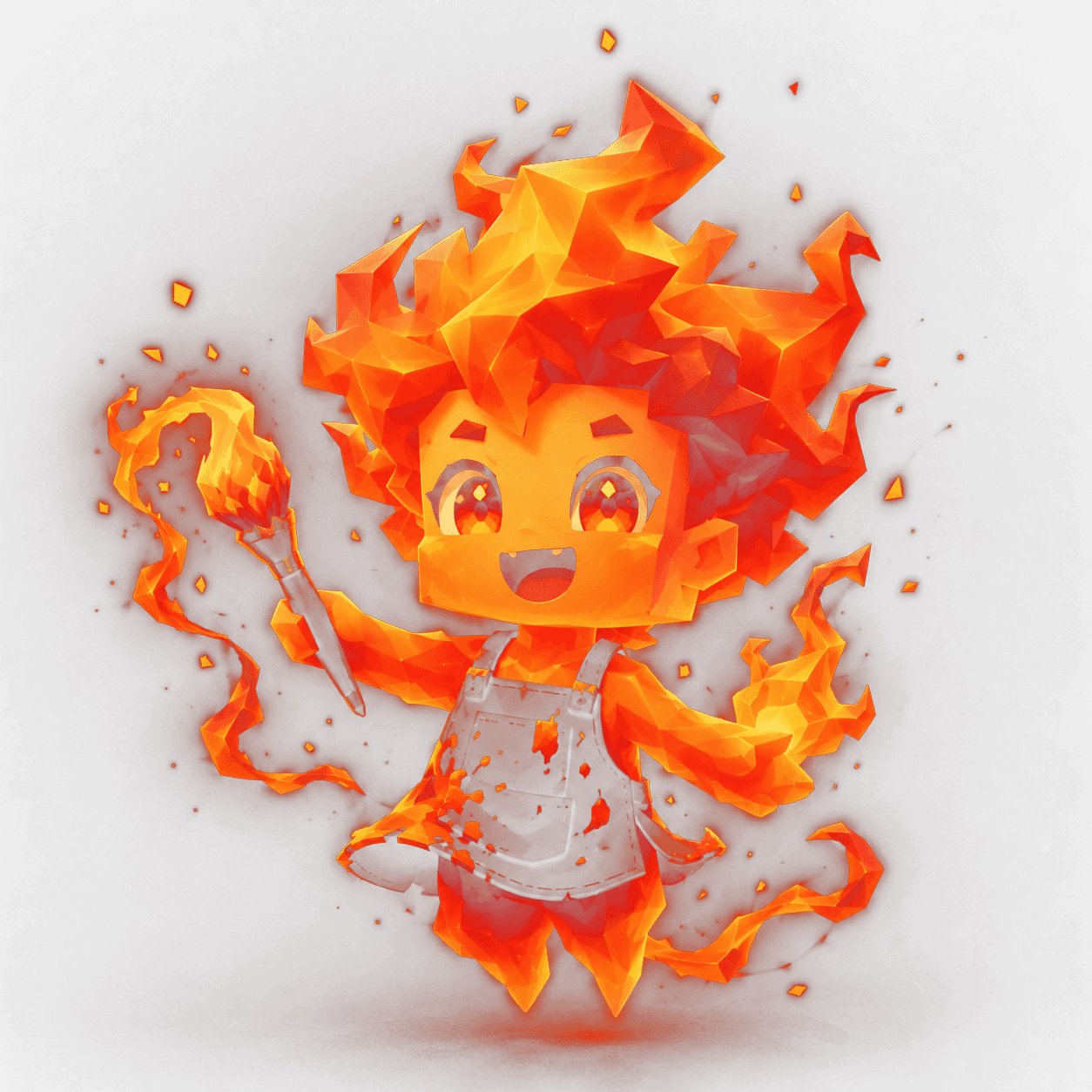
Fire Creator
Strongest force: Creator
Starts the partyMakes it prettyTwelve tabs open
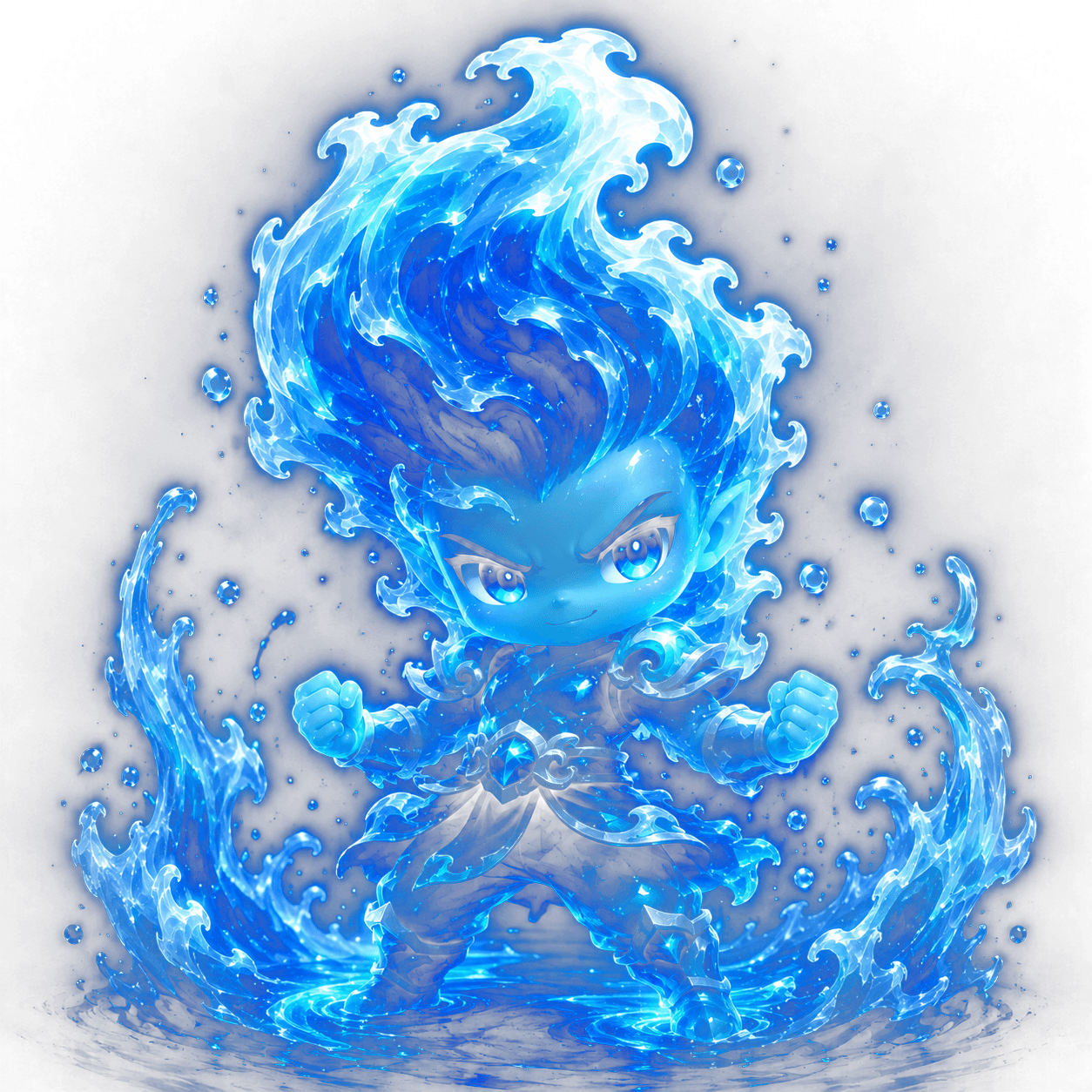
Water Warrior
Strongest force: Warrior
Pushes through wallsStorm-readyProtects the crew
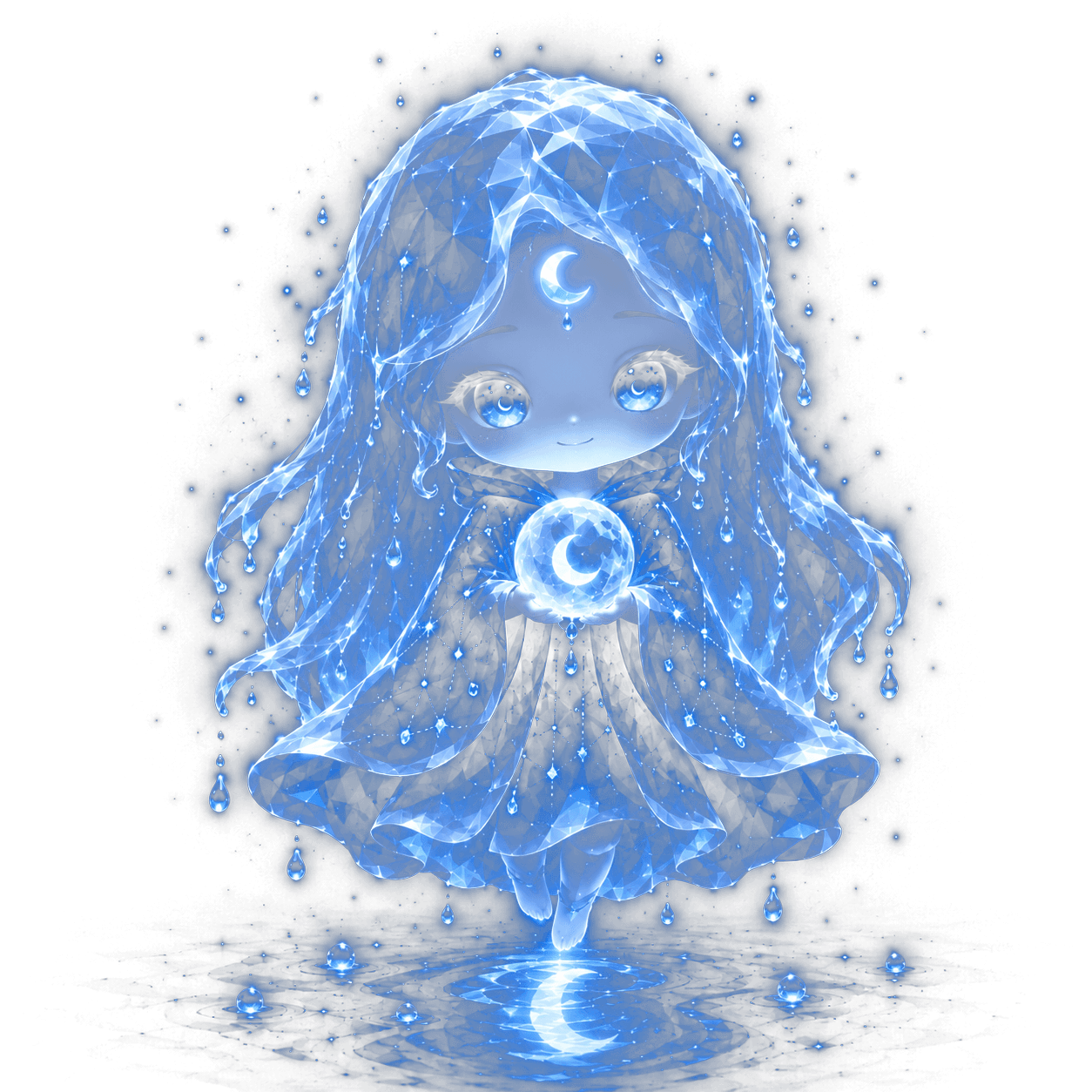
Water Seer
Strongest force: Scholar
Reads the roomFeels it firstGentle advice

Metal Rebel
Strongest force: Rebel
Unbreakable tasteThrives under pressureShines on purpose
Finding your strongest force
The strongest force is not simply the one that shows up most often. The classical rules read it from your birth month, because the month carries the season you were born in. Each animal sign has elements hiding inside it, and the month's animal sign decides:
- If the main element hiding in your month's animal sign also shows on top of one of your 4 pairs, its force leads.
- If not, another element hiding in that month's animal sign takes over, as long as it also appears on top of one of your pairs.
- If none shows, the main hidden element still leads.
- If the month holds your own element, it cannot name the chart after you. Another force that appears on top of one of your pairs leads instead, checked in a fixed order.
How strong your core element is then decides whether pressure from the Leader or Warrior feels like a lift or a weight. The quickest way to see yours is to cast your chart. The methodology page explains each rule and where we simplify.
For the curious: the proper names
- Month branch 月令
- The animal sign of your birth month. It carries the season.
- Hidden stems 藏干
- The elements hiding inside each animal sign.
- Chart structure 格局
- The strongest force in your chart.
- 建祿, 陽刃, 月劫
- Birth months that hold your own element, so another force leads.
- Zi Ping 子平
- The classical rules, written down about 1,000 years ago.