Short answer
On this page
What The Creator is
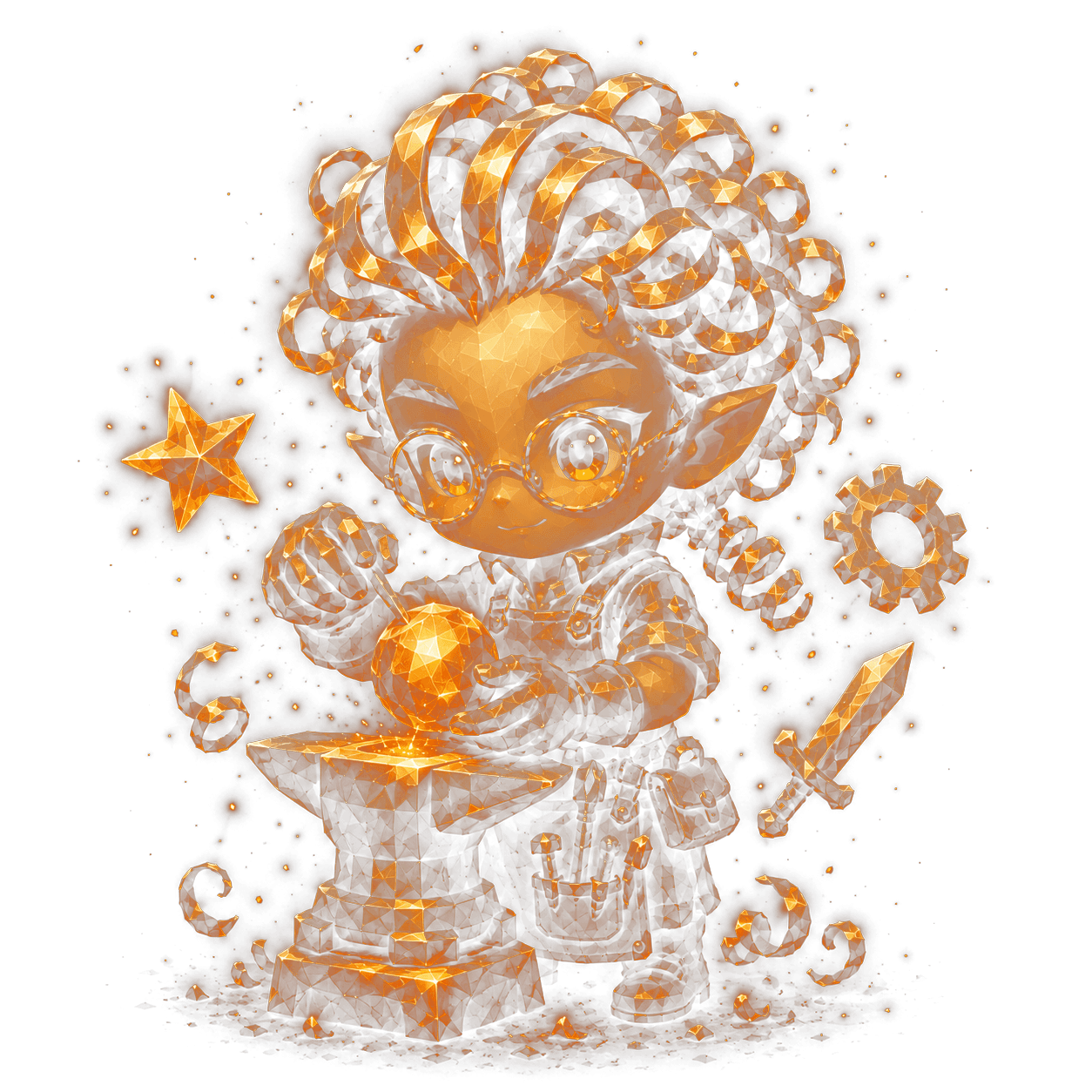
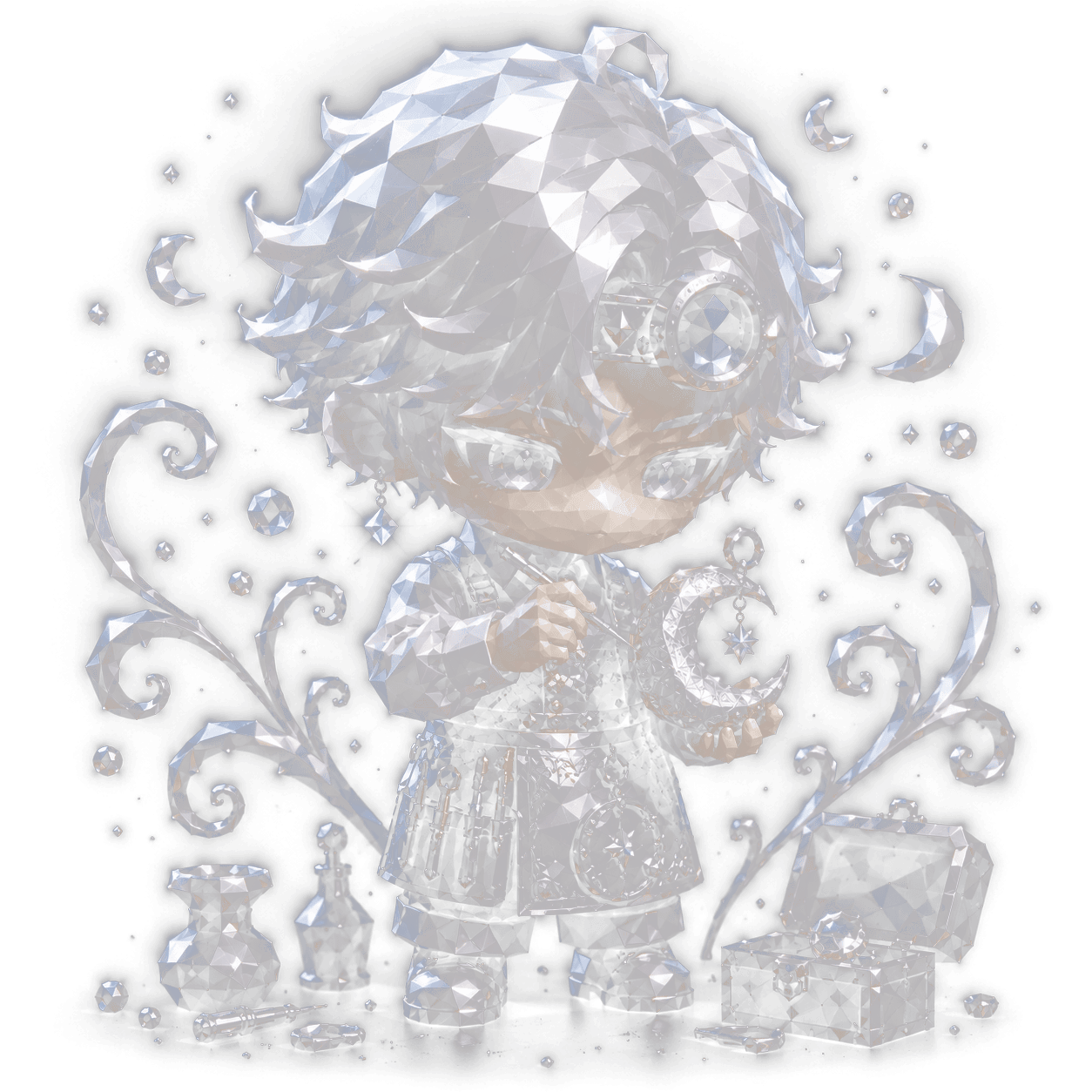
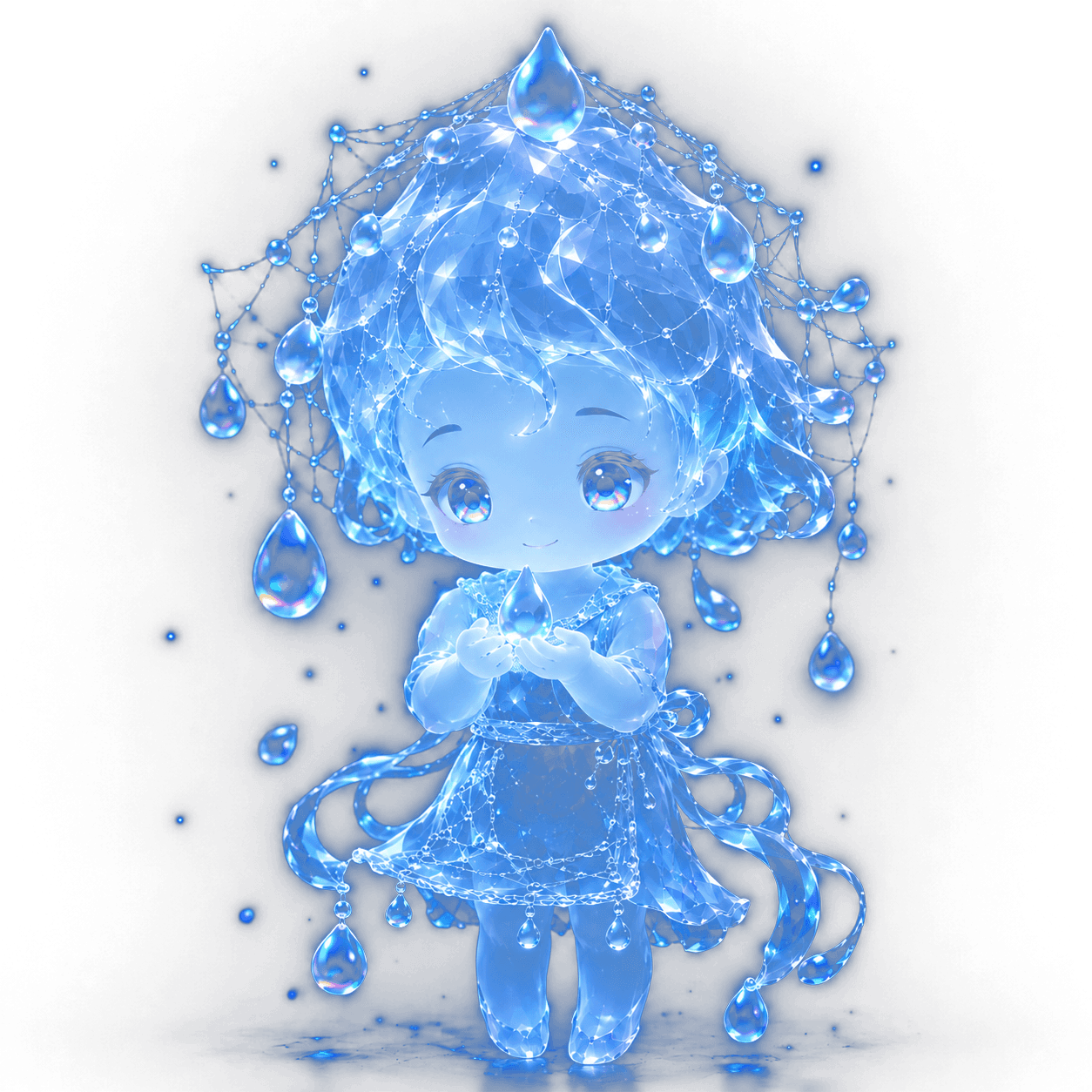
The Creator is the element your core element feeds. It is what naturally comes out of you. Its old name, Eating God, comes from an image of plenty: a full table and a relaxed mind.
People led by this force make things and share them. They enjoy food, beauty and good company. The risk is choosing comfort over the harder work that would take their talent further.
What you create: the element your core element feeds. It is how you express yourself: your ideas, talents and words.
For the curious: the classical description
- Eating God 食神 (Shi Shen)
- The classical name for the Creator.
- Output group 食傷
- the element your Day Master produces
- Day Master 日主
- Your core element: the top character of your day pair.
- Ten Gods 十神
- The classical name for the forces in your chart.
Eating God (食神, Shí Shén) is one of the most beloved patterns in classical BaZi, and for good reason. It belongs to the Output group, meaning it represents what your core element produces and expresses into the world. But unlike its more combustible sibling Hurting Officer, Eating God expresses with pleasure, flow, and aesthetic sensitivity rather than urgency or rebellion. The name is evocative: this is the energy of someone who has found their art and can sustain themselves on it, who creates not out of compulsion but out of genuine delight. People with dominant Eating God energy are the artists, storytellers, craftspeople, chefs, and entertainers who make the rest of us feel that beauty is actually possible.
What it feels like
The Creator is the force of making things for the joy of it. When it is strong in your chart, you notice what others rush past: afternoon light, a sentence that lands just right, the flavor in a dish. You create best at your own pace, following your curiosity.
You are easy to be around. You are not trying to impress anyone. You are simply absorbed in what you are making, and you share it freely: food, ideas, the things you make.
The catch is comfort. You like flow and avoid friction, so you may put off hard conversations or drift into pleasant distractions. When something blocks your creative outlet, like money stress or a joyless job, you feel it deeply.
Strengths
Creative flow
You can sink into deep focus and come back to it again and again. Your best work comes from there.
A fine sense of taste
Texture, sound, color and flavor guide you. Crafts like cooking, music, art, writing and design suit you.
Warmth
You love to feed, host and share, without keeping score.
Easy contentment
When you can create, you feel full. You don't need trophies to feel satisfied.
Staying power
Your work comes from pleasure, not pressure, so it doesn't burn out. You can keep making things for a lifetime.
Shadow side
Dodging conflict
You smooth problems over instead of naming them. Left alone, they come back louder.
Too much comfort
Food, shows and good company can become a way to avoid hard truths.
Loose with money
When you are creating, money feels secondary. Budgets may be a weak spot, especially early in your career.
At work
You belong where making things is the point: food, music, writing, film, design, illustration, fashion, hospitality and the stage. Teaching can suit you too, if the subject excites you. Avoid places that put efficiency and process above everything. You need room to play.
In love
You show love by cooking without being asked, remembering what someone likes and making a home feel easy. Your affection lives in care, not big speeches. You need a partner who sees the meal as a love letter. Since you avoid conflict, you also need someone patient enough to ask what's wrong.
When it leads your chart
Your guardian is not chosen by whichever force shows up most often. It follows an old rule: look at your birth month. The force your birth month carries becomes the strongest force in your chart.
When that force is the Creator, your core element plus the Creator gives you one of the 10 guardians below. Read the full method.
For the curious: the proper names
- Structure 格局, here 食神格
- A chart led by Eating God.
- Month branch 月支
- The animal sign of your birth month. Its hidden elements decide the structure.
- Zi Ping 子平
- The classical rules, written down about 1,000 years ago.