Short answer
On this page
From each side
If you're Wood
Your Wood roots break up Earth so new things grow.
Earth is the one you tame. Tag the Earth friend you keep nudging to try something new.
If you're Earth
Wood roots through your Earth and shakes up your routine.
Wood tames you. Tag the Wood friend who keeps you from going stale.
Got someone in mind? Compare with a friend free and see both charts side by side.
How Wood and Earth interact
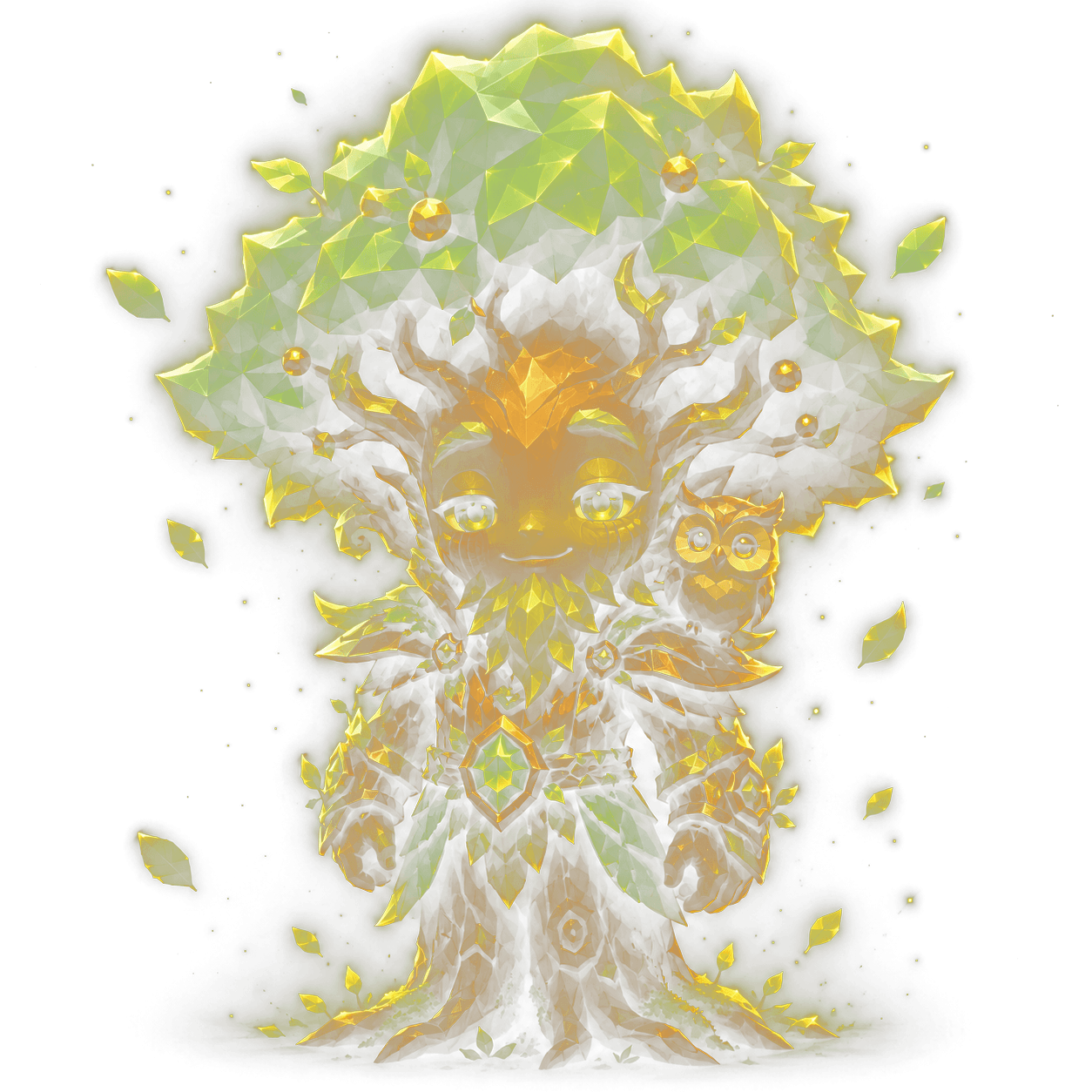
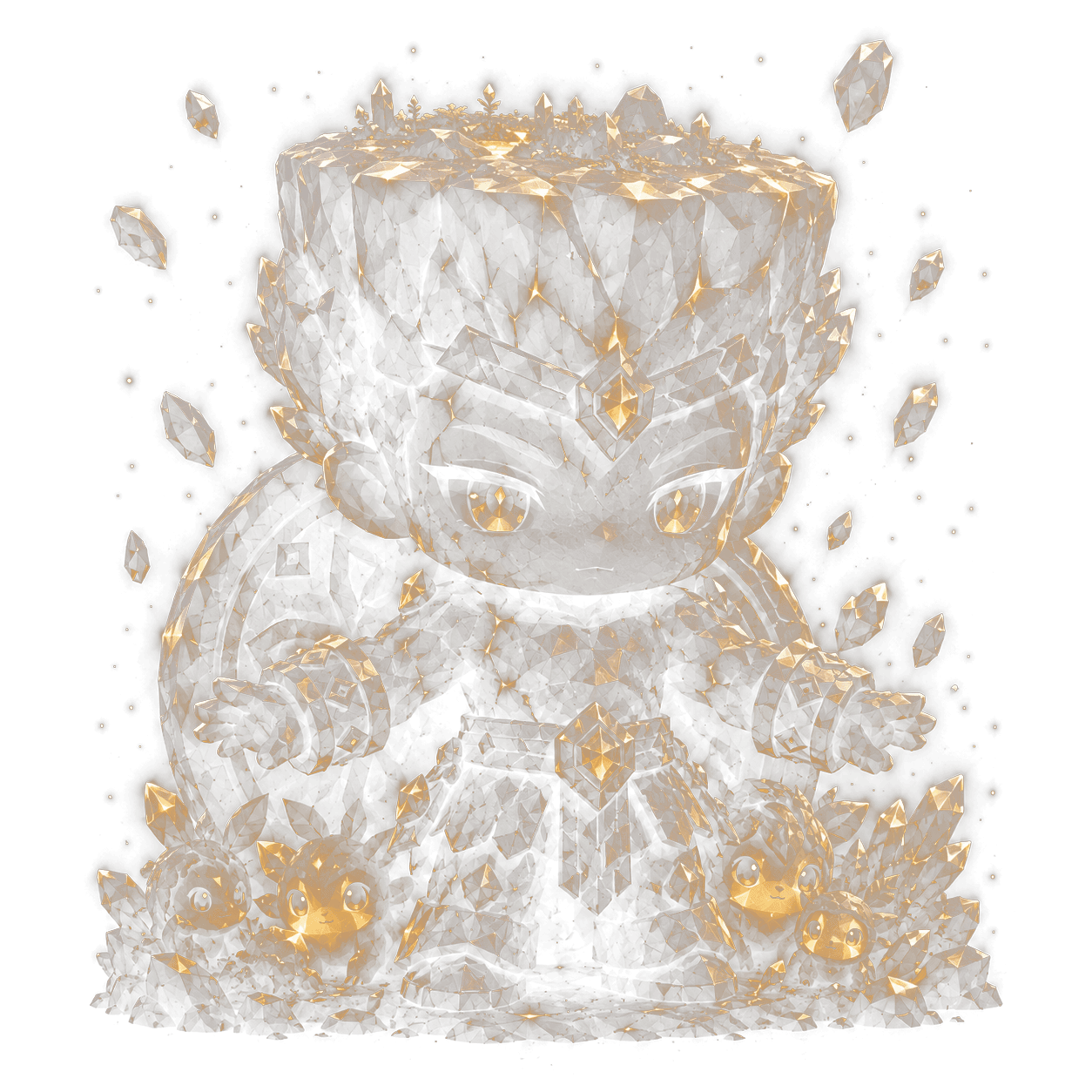
Wood is the element of growth: plans, change, always reaching. Earth is the element of steadiness: routine, loyalty, the one everyone leans on. When Wood meets Earth, it is like roots pushing through soil. The ground breaks open, and new things can grow.
Wood pushes Earth to try new things and question old habits. Earth gives Wood what it needs to stand tall: ground to grow in. Without soil, no tree takes root.
The taming dynamic
In BaZi, taming is not harm. It is how things stay healthy. Wood tames Earth the way roots break up hard ground: by breaking it up, they make it fertile.
In balance, Wood keeps Earth from getting stiff, and Earth keeps Wood grounded. It only goes wrong when Wood pushes too hard and wears Earth out, or when Earth refuses all change.
What works, what strains
What works
- Growth through challenge
- Wood keeps Earth from settling for less.
- Each has what the other needs
- Wood needs ground. Earth needs movement to stay fertile.
- Toughness
- Pairs that learn to handle friction tend to last.
- Depth
- The tension builds a deep understanding that easy pairs can miss.
Where it strains
- Pushing too hard
- Wood can steamroll Earth if nobody stops it.
- Digging in
- Earth may refuse to change, and Wood feels stuck.
- Wearing out
- Wood can take more than Earth can give back.
- Hearing criticism
- Earth may hear Wood's ideas as complaints, not care.
In love
Wood and Earth couples often start with a strong pull. Earth loves Wood's drive. Wood loves Earth's warmth and calm. Over time, Wood may find Earth too slow, and Earth may find Wood too demanding. The fix is to see the friction as a feature. Wood's push helps Earth grow. Earth's calm gives Wood a safe place to come home to.
In friendship and work
At work, Wood sets the vision and questions the old way. Earth builds the system that makes it last, like a mentor and a builder. As friends, Wood is the one who says let us try it, and Earth is the one who keeps Wood's feet on the ground. It can feel bumpy, but both usually end up better.
How to balance this pairing
The classical rules suggest Fire as the bridge. Wood feeds Fire, and Fire feeds Earth, so Fire turns the push into a flow. In daily life that means warmth: shared jokes, meals, celebrations. Joy helps Wood's drive and Earth's need for calm meet in the middle.
The 4 core elements involved
Element pairs are the broad strokes. Each element comes in a Yang form (outward) and a Yin form (inward), so 4 core elements meet in this pairing. Read the one that matches your chart, or the person you have in mind.
Read the elements themselves: Wood and Earth. To set two real charts side by side, compare two charts with Destiny Link.
For the curious: the proper names
- Controlling cycle 相剋
- The classical name for one element taming another.
- Day Master 日主
- Your core element: the top character of your day pair.